




The Hidden Crisis in Modern Healthcare
Healthcare has entered a new era—defined by digital transformation, telehealth expansion, and data-driven decision-making. Yet despite these advancements, a critical issue continues to limit outcomes across the system: ineffective patient communication caused by language barriers.
In today’s global and multicultural populations, language barriers in healthcare are not occasional—they are widespread. Patients frequently interact with healthcare systems in languages they are not fully comfortable with. This leads to confusion, misinterpretation, and ultimately, compromised care.
The consequences are far-reaching:
- Increased medical errors
- Poor treatment adherence
- Lower patient satisfaction
- Higher operational inefficiencies
To address this challenge, healthcare providers are turning to a powerful and scalable solution: bilingual medical virtual assistants (BMVAs).
Leading providers like Altura Assist are at the forefront of this transformation—helping clinics, hospitals, and private practices implement multilingual support systems that improve communication, streamline operations, and elevate patient care.
These professionals combine administrative expertise with multilingual communication skills, enabling healthcare organizations to deliver accurate, efficient, and patient-centered care.
1. Improving Patient Safety Through Clear Communication

Patient safety is the foundation of effective healthcare. However, safety depends heavily on one factor: clear and accurate communication.
When language barriers exist, even simple interactions can become high-risk scenarios. Patients may misunderstand:
- Medication instructions
- Dosage schedules
- Pre- and post-procedure guidelines
- Follow-up care requirements
This increases the likelihood of:
- Adverse drug events
- Misdiagnoses
- Emergency readmissions
Bilingual medical virtual assistants play a critical role in reducing these risks. They ensure that communication between providers and patients is not just translated—but fully understood.
Their contributions include:
- Translating medical instructions into the patient’s preferred language
- Clarifying complex healthcare terminology
- Supporting accurate symptom reporting during intake
- Reinforcing care plans through multilingual follow-ups
By eliminating confusion, BMVAs help create a safer healthcare environment where patients can confidently follow medical advice.
2. Expanding Healthcare Access with Multilingual Support
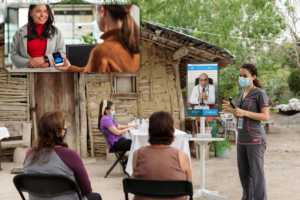
Access to healthcare is not just about availability—it’s about accessibility.
Telehealth has significantly expanded the reach of healthcare services. However, for many patients, language remains a barrier that prevents them from fully utilizing these platforms.
Patients are less likely to seek care when they:
- Feel uncomfortable communicating in a second language
- Fear misunderstanding critical health information
- Have previously experienced communication breakdowns
Bilingual virtual assistants in healthcare remove these barriers by making services more inclusive.
They support:
- Multilingual appointment scheduling
- Navigation of telehealth platforms
- Real-time assistance during virtual consultations
- Follow-up communication in the patient’s native language
This leads to:
- Increased patient engagement
- Higher appointment attendance rates
- Improved continuity of care
Ultimately, multilingual support transforms healthcare systems into accessible, inclusive, and equitable environments.
3. Enhancing Operational Efficiency and Workflow Automation

Administrative overload is one of the biggest challenges facing modern healthcare providers.
Tasks such as:
- Scheduling appointments
- Managing patient records
- Handling billing inquiries
- Conducting follow-ups
consume a significant portion of staff time.
A bilingual medical virtual assistant helps streamline these processes while also managing multilingual communication.
Key benefits include:
- Faster patient intake and onboarding
- Reduced front-desk workload
- Improved scheduling efficiency
- Consistent patient communication
Unlike traditional staff or interpreters, BMVAs provide continuous operational support, not just during clinical interactions.
This allows healthcare providers to:
- Focus more on patient care
- Reduce staffing costs
- Improve overall workflow efficiency
The result is a healthcare system that is both scalable and sustainable.
4. Building Trust Through Cultural Competence

Effective healthcare communication goes beyond language—it requires cultural understanding.
Patients from different cultural backgrounds may:
- Describe symptoms differently
- Have unique beliefs about illness and treatment
- Rely on family or community in decision-making
- Experience stigma around certain conditions
A bilingual medical virtual assistant often brings cultural awareness that enhances communication and builds trust.
They help providers:
- Navigate cultural sensitivities
- Encourage open and honest patient communication
- Adapt messaging to align with patient values
This leads to:
- Stronger patient-provider relationships
- Increased treatment adherence
- Improved patient satisfaction
In a system where trust directly impacts outcomes, cultural competence becomes a strategic advantage.
5. Strengthening Compliance and Reducing Legal Risk

Compliance is a critical component of healthcare operations. Accurate documentation and clear communication are essential for meeting regulatory standards.
Language barriers can compromise:
- Patient consent processes
- Medical histories
- Treatment documentation
- Billing accuracy
These issues can lead to:
- Legal liabilities
- Regulatory penalties
- Insurance claim denials
Bilingual medical virtual assistants enhance compliance by:
- Ensuring accurate and complete documentation
- Supporting clear communication during consent procedures
- Maintaining consistent and standardized workflows
This reduces risk while improving:
- Audit readiness
- Data accuracy
- Operational transparency
For healthcare organizations, this means greater protection and stability.
6. Driving Revenue Growth and Financial Performance

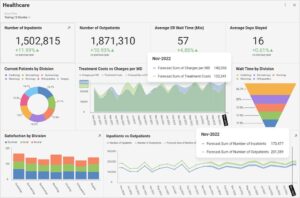
Investing in bilingual virtual assistant services is not just a clinical decision—it is a financial strategy.
Healthcare organizations that implement multilingual support often experience:
- Higher patient retention rates
- Reduced no-show appointments
- Improved billing accuracy
- Faster revenue cycles
Patients are more likely to return to providers where they feel understood and valued.
Additionally, operational efficiencies reduce overhead costs, allowing organizations to maximize profitability without compromising care quality.
In competitive healthcare markets, communication quality directly impacts revenue performance.
7. Supporting Telehealth and Digital Healthcare Transformation


Digital healthcare is rapidly becoming the standard. However, without multilingual support, these systems risk excluding large segments of the population.
Bilingual medical virtual assistants ensure that digital transformation remains inclusive by:
- Assisting patients with telehealth platforms
- Managing communication across multiple channels
- Supporting remote consultations
- Integrating with electronic health records
They serve as a bridge between technology and human interaction, ensuring that innovation enhances—not limits—access to care.
8. Why Healthcare Providers Are Investing in Bilingual Virtual Assistant Services

Healthcare providers are increasingly partnering with specialized service providers to implement bilingual virtual assistant solutions.
These services offer:
- Professionally trained medical virtual assistants
- Compliance with healthcare regulations
- Scalable operational support
- Multilingual and culturally competent communication
This allows organizations to:
- Deploy solutions quickly
- Maintain high service quality
- Scale without increasing internal staffing complexity
As demand for multilingual healthcare grows, these services are becoming a critical part of healthcare infrastructure.
The Future of Healthcare Is Multilingual

Modern healthcare cannot function effectively without clear communication. As patient populations become more diverse and healthcare systems become more digital, the need for multilingual support will only continue to grow.
Bilingual medical virtual assistants are no longer optional—they are essential.
They:
- Improve patient safety
- Expand access to care
- Increase operational efficiency
- Strengthen compliance
- Drive revenue growth
- Enhance patient trust and satisfaction
Healthcare organizations that invest in multilingual support today are positioning themselves for long-term success in a rapidly evolving industry.
Elevate Your Healthcare Operations with the Right Partner

If your organization is ready to:
- Eliminate language barriers
- Improve patient communication
- Streamline operations
- Scale efficiently
then partnering with a trusted provider is the next step.
Altura Assist offers specialized bilingual medical virtual assistant services designed to help healthcare providers deliver better care while optimizing performance.
Now is the time to move from reactive communication fixes to a proactive, scalable multilingual strategy.


