




Why Most Virtual Assistant Relationships Fail—and How to Get It Right
Virtual assistants have become an essential part of modern business operations. From startups to established enterprises, companies are increasingly leveraging virtual assistant services to streamline workflows, reduce operational costs, and scale efficiently. Leading providers such as Altura Assist are enabling businesses to access highly skilled, reliable VAs who integrate seamlessly into fast-moving teams.
Yet despite this rapid adoption, many virtual assistant (VA) relationships fail to deliver meaningful, long-term value.
The issue is rarely the assistant.
More often, the breakdown stems from a lack of structure—unclear expectations, inconsistent communication, and poorly defined systems. Hiring a virtual assistant without a strong operational foundation is like onboarding an employee into a company with no processes. The outcome is predictable: confusion, inefficiency, and frustration on both sides.
In 2026, successful businesses approach virtual assistants differently. They don’t just delegate tasks—they build structured, system-driven partnerships designed for measurable performance and scalability.
This guide will show you exactly how to build a strong working relationship with your virtual assistant and unlock consistent, high-level results.
1. Define the Role with Precision Before You Hire
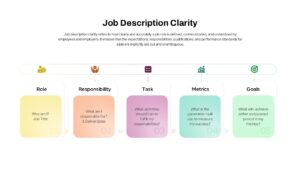
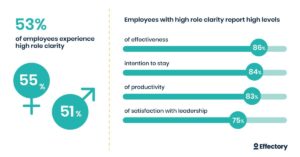
A high-performing virtual assistant relationship begins long before onboarding—it starts with clarity.
One of the most common hiring mistakes is relying on vague descriptions such as “help with admin tasks” or “support marketing.” While these may seem practical, they create ambiguity that leads to inconsistent performance.
Clarity is not optional—it is foundational.
Instead of listing tasks, define outcomes. What should success look like after 30, 60, or 90 days? What responsibilities will the VA fully own? Where does their authority begin and end?
For example:
Instead of saying:
“Manage emails”
Define it as:
“Maintain inbox at zero daily, categorize incoming messages, respond to routine inquiries, and escalate urgent matters within one hour.”
This level of specificity eliminates guesswork and empowers your VA to perform with confidence and accountability.
To achieve this, create a Role Scorecard that includes:
- Core responsibilities
- Key performance indicators (KPIs)
- Tools and platforms used
- Reporting structure
- Expected outcomes
When roles are clearly defined, your VA evolves from a task executor into a results-driven contributor.
2. Build Systems That Make Success Repeatable


Even the most skilled virtual assistant will struggle in a disorganized environment.
Systems are the foundation of consistency. Without them, every task becomes a one-off decision, and performance depends on memory rather than process.
To build a strong working relationship, establish a reliable operational framework that supports efficiency and repeatability.
Start with:
- Standard Operating Procedures (SOPs): Step-by-step instructions for recurring tasks
- Task management systems: Centralized platforms to assign and track work
- File organization standards: Clear naming conventions and structured storage
- Workflow mapping: Defined processes from initiation to completion
A simple rule applies:
If you explain something more than once, document it.
Documentation is not about control—it’s about clarity, scalability, and efficiency. It reduces errors, accelerates onboarding, and ensures consistency across all operations.
When systems are in place, your virtual assistant can operate independently without compromising quality.
3. Establish Clear, Consistent Communication
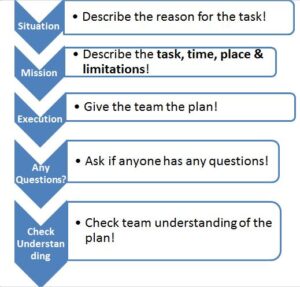
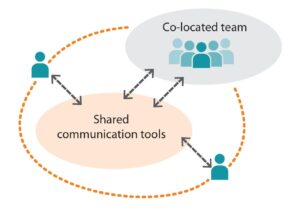
Communication is the backbone of every successful virtual assistant relationship.
Without it, even simple tasks become complex. Misalignment increases, deadlines slip, and frustration builds.
Strong communication creates alignment, trust, and operational efficiency.
Set clear expectations from the start:
- Define primary communication channels (e.g., Slack, email, project tools)
- Establish response time expectations
- Schedule regular check-ins (daily updates, weekly reviews)
- Create escalation protocols for urgent matters
Equally important is how tasks are communicated.
Use this proven structure:
- The task – What needs to be done
- The context – Why it matters
- The standard – What success looks like
Example:
“Please compile a weekly report of customer inquiries (task) so we can identify recurring issues (context). Include categories, response times, and key trends (standard).”
This framework minimizes ambiguity and significantly improves output quality.
4. Treat Your Virtual Assistant as a Strategic Partner


Your mindset determines the outcome of the relationship.
If you view your VA as a low-cost resource, their impact will remain limited. If you treat them as a strategic partner, you unlock their full potential.
Partnership drives ownership. Ownership drives performance.
To cultivate this:
- Share your business goals and priorities
- Encourage feedback and ideas
- Provide consistent, constructive feedback
- Recognize and reward strong performance
When your VA understands the bigger picture, they make smarter decisions, anticipate needs, and contribute beyond assigned tasks.
Shift your mindset from:
“Complete this task”
To:
“Help me improve this outcome”
This subtle change fosters initiative, creativity, and collaboration.
5. Measure Performance with Clear KPIs(Key Performance Indicators)


What gets measured gets improved.
Without defined metrics, performance becomes subjective and inconsistent. Your VA cannot improve if expectations are unclear.
Establish KPIs aligned with your business goals, such as:
- Task completion rates
- Turnaround times
- Accuracy levels
- Customer response times
- Lead conversion or handling efficiency
Instead of saying:
“Be more responsive”
Define it as:
“Respond to all client messages within four hours during working hours.”
Clear metrics create accountability, transparency, and continuous improvement.
6. Invest in Structured Onboarding
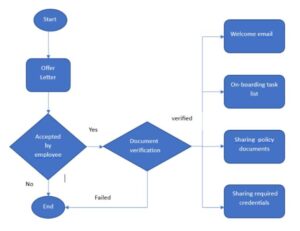

First impressions matter—and onboarding sets the tone for everything that follows.
Many businesses rush this process, assuming a skilled VA will “figure it out.” This leads to avoidable mistakes and slow ramp-up times.
A structured onboarding process accelerates productivity and builds confidence.
Include:
- A clear overview of your business and objectives
- Training on tools, systems, and workflows
- Access to SOPs and documentation
- Guided practice or shadowing
- Frequent feedback during the first few weeks
The first 14–30 days are critical. This is when expectations are set, habits are formed, and trust begins to develop.
Investing time here pays long-term dividends.
7. Create Continuous Feedback Loops
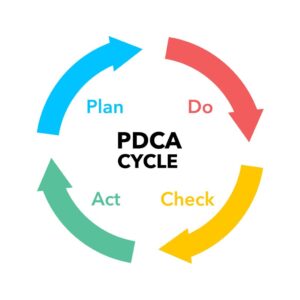
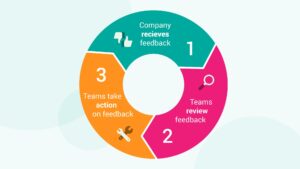
Strong working relationships are built through continuous improvement.
Without feedback, small inefficiencies compound into major problems. With consistent feedback, performance steadily improves.
Build feedback into your workflow:
- Weekly performance check-ins
- Monthly reviews and goal adjustments
- Open communication channels for questions
Equally important is listening.
Your VA often sees inefficiencies you may overlook. Encourage their input by asking:
- What tasks take longer than expected?
- Where do bottlenecks occur?
- What can be automated or improved?
This transforms your VA into a valuable operational partner.
8. Use Technology to Strengthen Collaboration

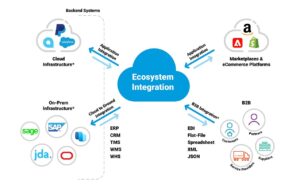
In 2026, technology is a competitive advantage—not just a support function.
The right tools improve visibility, streamline workflows, and enhance collaboration.
Focus on integration, not overload. Too many disconnected tools create friction.
Key categories:
- Project management tools
- Communication platforms
- Documentation systems
- Automation tools
- Time tracking (if needed)
Your goal is simple: create a workspace where everything is organized, accessible, and easy to execute.
When systems and tools align, your VA can focus on high-value work instead of coordination.
9. Encourage Ownership and Initiative
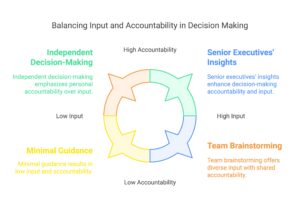

The difference between a good VA and a great one is ownership.
Ownership means taking responsibility for outcomes—not just completing tasks.
To build this:
- Delegate responsibility, not just instructions
- Define decision-making boundaries
- Reward initiative and problem-solving
Example:
“You can manage customer inquiries independently, but escalate complaints or refunds.”
This balance empowers your VA while maintaining oversight.
Over time, this reduces your workload and builds trust.
10. Offer Fair Compensation and Long-Term Stability


Top virtual assistants are in high demand.
If you want long-term success, compensation and stability are critical.
Frequent turnover is costly—financially and operationally.
To retain top talent:
- Offer competitive compensation
- Provide consistent workloads
- Create growth opportunities
- Maintain professionalism and respect
A long-term VA becomes significantly more valuable over time as they gain deep knowledge of your business.
Retention is not just beneficial—it is strategic.
11. Avoid the Most Common Mistakes

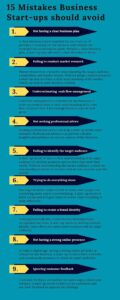
Even experienced business owners make avoidable mistakes that weaken VA relationships.
Common pitfalls include:
- Unclear expectations
- Micromanagement
- Lack of documentation
- Unrealistic workloads
- Inconsistent communication
Each of these reduces efficiency and trust.
The solution is simple: structure, clarity, and consistency.
12. Scale the Relationship as Your Business Grows

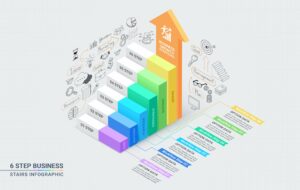
A virtual assistant relationship should evolve with your business.
As your operations expand, your VA’s role should grow accordingly.
Typical progression:
- Task execution
- Process management
- Decision support
- Team coordination
With development, your VA can grow into roles such as:
- Operations coordinator
- Project manager
- Executive assistant
Scaling is not just about hiring more people—it’s about maximizing the value of the people you already have.
Build Systems, Build Trust, Build Results


A strong working relationship with your virtual assistant is not accidental—it is built through clarity, structure, and intentional leadership.
When you define roles clearly, implement effective systems, communicate consistently, and treat your VA as a partner, you create a high-performance environment where results are predictable and scalable.
In 2026, the most successful businesses understand this shift.
They don’t just hire virtual assistants.
They build strategic partnerships—often by working with trusted providers like Altura Assist to access reliable, high-quality talent that drives growth and efficiency.
Final Takeaway
If your current VA relationship feels inconsistent, the solution is not to replace the assistant immediately.
Fix the system first.
Because when the system works, the relationship works—and when the relationship works, the results follow.


