




In modern healthcare, documentation is far more than routine paperwork — it is the operational backbone of every successful medical practice. From safeguarding patient safety to ensuring regulatory compliance and accurate billing, healthcare documentation plays a critical role in nearly every aspect of clinical and administrative operations.
Despite its importance, documentation has increasingly become one of the most time-consuming and burdensome responsibilities for healthcare providers. Physicians and healthcare staff often spend more time documenting care than actually delivering it. This growing administrative workload contributes to physician burnout, reduced productivity, revenue leakage, and diminished patient satisfaction.
For healthcare organizations looking to restore efficiency and balance, professional documentation support through Virtual Medical Assistants (VMAs) is emerging as a powerful and scalable solution.
At Altura, we specialize in helping healthcare providers streamline their documentation workflows, reduce administrative burden, and allow clinicians to focus on what matters most — delivering exceptional patient care.
What Is Healthcare Documentation?

Healthcare documentation refers to the systematic recording of patient information, medical decisions, treatments, and outcomes throughout the patient care journey.
These records form the foundation of healthcare communication, legal protection, financial management, and quality improvement.
Effective healthcare documentation serves several critical purposes:
-
Supporting accurate clinical decision-making
-
Ensuring continuity of care between providers
-
Providing legal and regulatory documentation
-
Facilitating accurate medical billing and reimbursement
-
Enabling data analysis, reporting, and healthcare analytics
Without clear and accurate documentation, even the highest quality clinical care can lead to serious operational challenges such as lost revenue, compliance violations, fragmented patient care, and insurance claim denials.
For this reason, healthcare documentation remains one of the most essential systems within modern medical practice management.
Core Types of Healthcare Documentation
Healthcare documentation includes several specialized categories, each serving a unique role in the medical ecosystem.
Understanding these categories helps healthcare organizations build more efficient documentation workflows.
1. Clinical Documentation

Clinical documentation captures the complete medical narrative of a patient’s care. It records medical history, symptoms, diagnoses, treatments, and outcomes, ensuring that every healthcare provider involved in the patient’s care has access to accurate and updated information.
Common forms of clinical documentation include:
-
History and Physical (H&P) reports
-
Progress notes
-
SOAP notes (Subjective, Objective, Assessment, Plan)
-
Operative reports
-
Discharge summaries
-
Consultation notes
-
Treatment plans
Accurate clinical documentation is essential for clear communication between healthcare providers, better clinical decision-making, and improved patient outcomes.
2. Electronic Health Record (EHR) Documentation
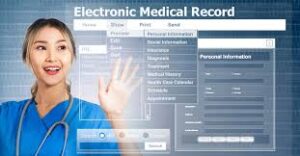
Today, most healthcare systems rely on Electronic Health Records (EHRs) to store and manage patient data digitally.
EHR documentation typically includes:
-
Patient demographics
-
Clinical notes and observations
-
Medication lists
-
Laboratory results
-
Imaging reports
-
Allergy documentation
-
Care coordination records
EHR systems improve accessibility, enable data sharing between providers, and enhance patient care coordination.
However, they also significantly increase administrative workload. Studies indicate that many physicians spend nearly two hours on documentation for every hour spent with patients, making documentation assistance increasingly important for modern practices.
3. Medical Transcription

Medical transcription converts physician dictations and voice recordings into structured written documentation that can be integrated into patient medical records.
Typical transcription tasks include:
-
Physician dictation notes
-
Operative reports
-
Radiology interpretations
-
Pathology reports
-
Consultation summaries
Professional transcription services ensure accurate, standardized, and searchable documentation that improves the quality and usability of medical records.
4. Medical Coding Documentation

Accurate documentation forms the foundation for correct medical coding, which directly impacts billing and revenue cycle performance.
Medical coders rely on clinical documentation to assign standardized codes representing diagnoses, procedures, and services.
Key coding systems include:
-
CPT (Current Procedural Terminology) for medical procedures
-
ICD-10 (International Classification of Diseases) for diagnoses
-
HCPCS (Healthcare Common Procedure Coding System) for equipment and services
Incomplete or inaccurate documentation can lead to serious financial issues, including:
-
Insurance claim denials
-
Underbilling or lost revenue
-
Compliance audits
-
Delayed reimbursements
Clear documentation ensures accurate coding, faster claims processing, and stronger financial performance.
5. Compliance and Legal Documentation

Healthcare organizations operate under strict regulatory frameworks that require comprehensive and accurate documentation practices.
Regulatory requirements may include:
-
HIPAA compliance standards
-
Insurance documentation requirements
-
Medical board regulations
-
Government healthcare program guidelines
-
Quality reporting mandates
Proper documentation provides:
-
Legal protection for healthcare providers
-
Compliance with healthcare regulations
-
Readiness for audits and inspections
In many legal cases involving medical care, the medical record serves as the most critical piece of evidence.
The Growing Documentation Burden in Healthcare

Across the global healthcare industry, documentation requirements continue to expand due to increasing regulatory complexity and administrative demands.
Several factors contribute to the growing documentation burden.
a) Complex Insurance Requirements
Insurance providers require detailed documentation to verify medical necessity before approving reimbursements.
Even small documentation errors can lead to:
-
Claim rejections
-
Delayed payments
-
Insurance audits
For healthcare practices operating on tight margins, these documentation issues can significantly impact revenue stability.
b) Expanding Regulatory Compliance
Healthcare regulations are constantly evolving. Providers must now meet documentation requirements related to:
-
Value-based care models
-
Quality reporting programs
-
Government healthcare compliance frameworks
-
Patient safety reporting systems
Meeting these standards requires increasingly detailed and consistent documentation practices.
c) Physician Burnout and Administrative Overload
One of the most concerning consequences of documentation overload is physician burnout.
Administrative responsibilities — particularly documentation — are now among the leading causes of provider fatigue.
Many physicians spend evenings completing patient documentation after clinic hours, a phenomenon commonly referred to as “pajama time.”
This not only affects provider well-being but can also reduce productivity, morale, and long-term career satisfaction.
How MVAs Transform Healthcare Documentation
To address these challenges, many healthcare organizations are turning to Virtual Medical Assistants (VMAs) who specialize in healthcare documentation and administrative support.
Virtual Medical Assistants work remotely but integrate seamlessly into clinical workflows, supporting physicians and healthcare staff with documentation, transcription, and EHR management.
Key Documentation Tasks Handled by Virtual Medical Assistants
VMAs can support healthcare practices in several critical areas:
-
Clinical note documentation
-
Medical transcription
-
Pre-visit chart preparation
-
Post-visit documentation updates
-
Referral and care coordination documentation
-
Medical record organization
-
Documentation support for medical coding
By delegating these responsibilities to trained professionals, healthcare providers can dramatically reduce their administrative workload.
Benefits of Documentation Support for Healthcare Practices
Integrating Virtual Medical Assistants into documentation workflows offers numerous operational and financial benefits.
a) Increased Provider Productivity
When clinicians spend less time on administrative tasks, they can:
-
See more patients
-
Improve appointment availability
-
Focus on complex clinical decision-making
This leads to higher productivity and improved revenue potential.
b) Improved Documentation Accuracy
Professional documentation specialists ensure:
-
Complete clinical records
-
Consistent documentation standards
-
Reduced risk of coding errors
Better documentation improves insurance claim approval rates and reduces costly billing errors.
c) Reduced Physician Burnout
Reducing documentation workload allows healthcare providers to regain work-life balance.
Instead of spending evenings completing charts, clinicians can focus on:
-
Patient care
-
Professional development
-
Personal well-being
d) Stronger Revenue Cycle Performance
Documentation quality directly affects the success of medical billing.
Accurate documentation supports:
-
Correct coding
-
Reduced claim denials
-
Faster insurance approvals
-
Improved first-pass claim acceptance
This leads to more stable and predictable revenue streams for healthcare practices.
e) Better Patient Experience
When clinicians are fully present during patient consultations, the overall patient experience improves.
Efficient documentation workflows allow providers to:
-
Spend more time listening to patients
-
Deliver personalized care
-
Reduce appointment delays
Ultimately, better documentation systems support better healthcare delivery.
Why Choose Altura
At Altura, we provide highly trained Virtual Medical Assistants specialized in healthcare documentation and administrative workflows.
Our VMAs are experienced in working with:
We support healthcare organizations by helping them:
-
Reduce administrative workload
-
Improve documentation quality
-
Increase operational efficiency
-
Strengthen revenue cycle performance
Most importantly, we help healthcare providers reclaim their time and focus on patient care instead of paperwork.
The Future of Healthcare Documentation
Healthcare documentation will continue to evolve as new technologies transform the medical industry.
Emerging innovations include:
-
AI-assisted clinical documentation
-
Voice-enabled medical records
-
Automated coding systems
-
Real-time transcription tools
While technology will play an increasingly important role, human expertise will remain essential to ensure accuracy, clinical context, and regulatory compliance.
Virtual Medical Assistants will continue to bridge the gap between technology and healthcare workflows, helping practices adapt to the rapidly changing healthcare environment.
Conclusion
Healthcare documentation is far more than an administrative task — it is a critical driver of clinical quality, financial stability, and regulatory compliance.
However, the growing complexity of documentation has created major operational challenges for healthcare providers.
By integrating professional Virtual Medical Assistants into their workflows, medical practices can transform documentation from a burden into a strategic advantage.
At Altura, we help healthcare organizations streamline documentation processes, improve operational efficiency, and build stronger healthcare systems.
Ready to Streamline Your Healthcare Documentation?
If your healthcare organization is struggling with documentation overload, Altura’s Virtual Medical Assistants can help you reclaim valuable clinical time while improving accuracy and efficiency.
Partner with Altura today and discover how expert documentation support can transform your medical practice.
Contact us today to learn how our Virtual Medical Assistants can support your healthcare team.


